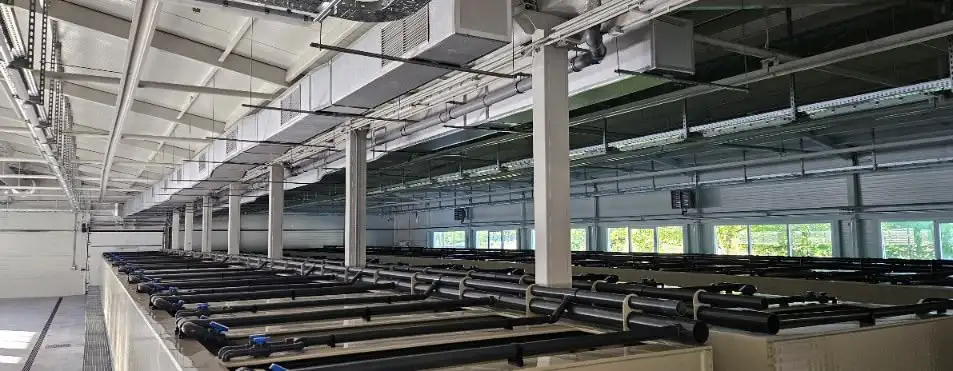
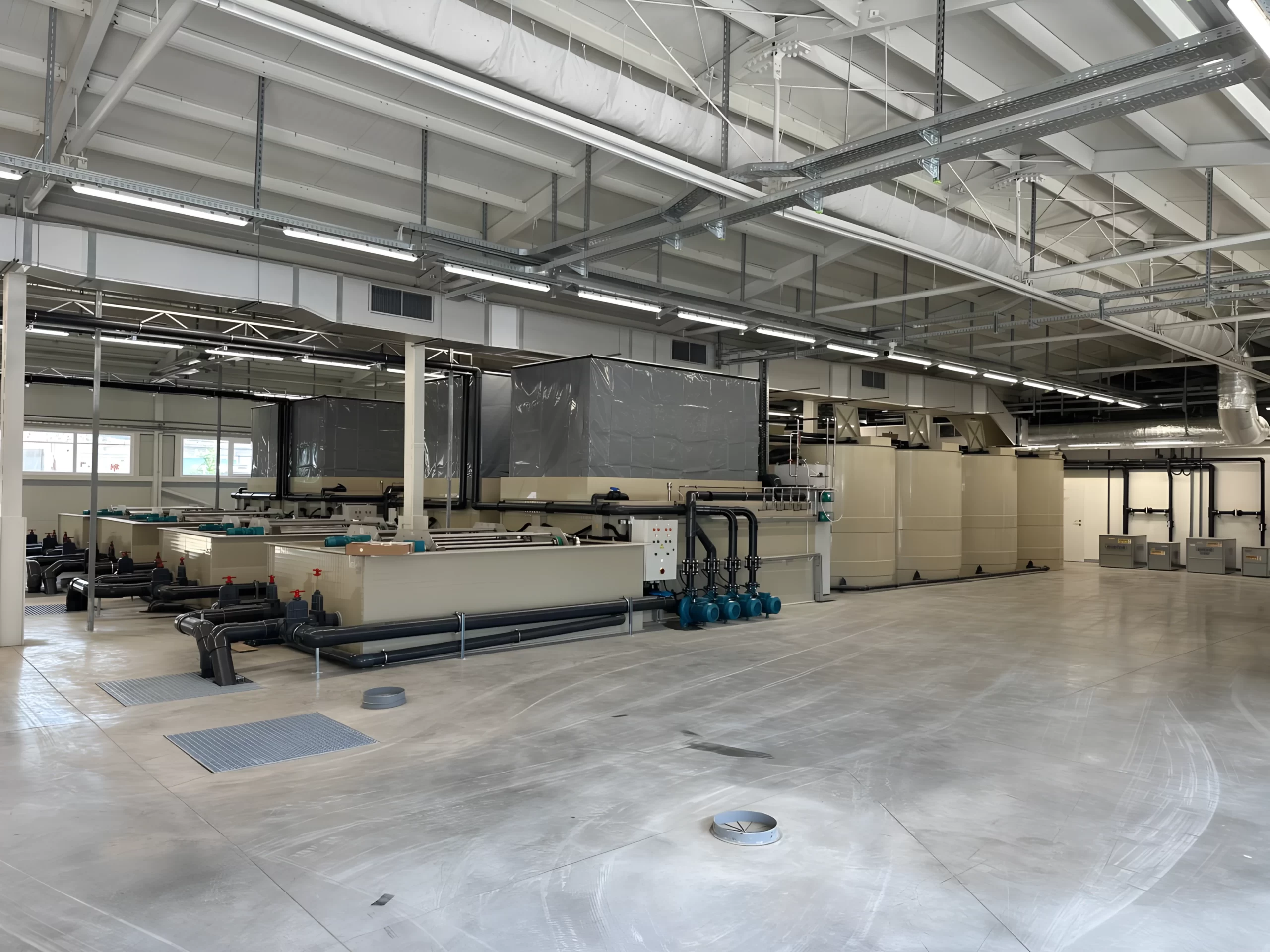
The breeding of African catfish (Clarias gariepinus), also known as clarinas, is very efficient and popular in recirculating aquaculture systems (RAS). This fish species is popular for its fast growth capacity, its resistance to different conditions and its high quality of meat.
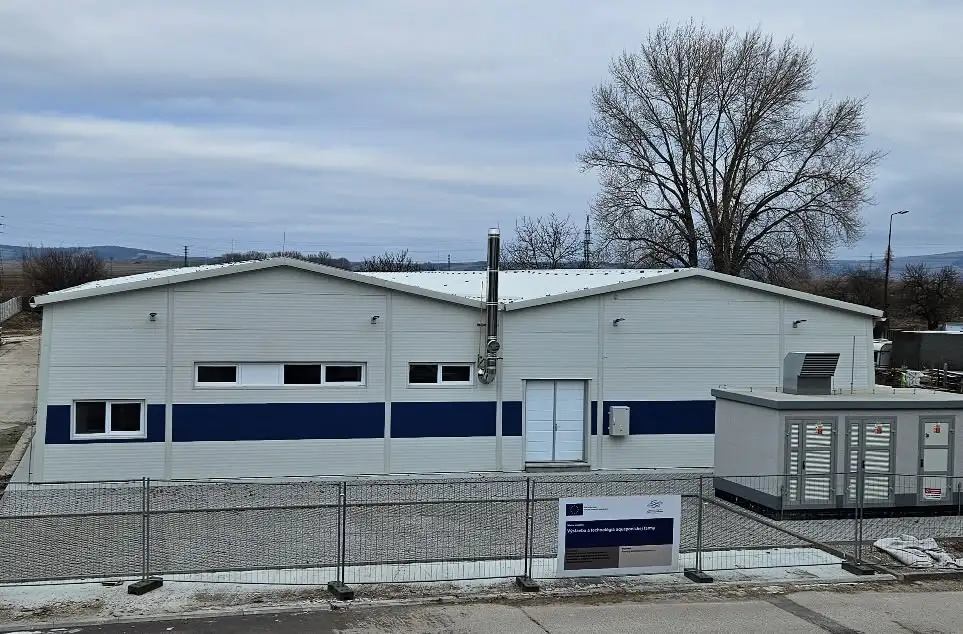
Farm Senice
So why do we keep African catfish in RAS?
- The main advantage is its fast growth - the African Catfish has a high growth rate, which allows for rapid production and turnover,
- another plus is its durability. This species is very resistant to various environmental conditions and diseases, which reduces the risk of losses,
- In addition, its meat is of high quality - the meat of the African catfish is valued for its delicate taste, high content of omega 3, omega 6 and low fat content,
- And it's all thanks to efficient feeding - the African catfish has a high feed conversion rate, which means it efficiently converts food into body mass.
Thanks to modern technology, RAS Senica is perfectly suited for its breeding:
- Water temperature: the optimum temperature for breeding African catfish is between 25-30°C. RAS systems allow precise temperature control, which is crucial for rapid fish growth.
- Water quality: RAS systems ensure high water quality through biofilters, UV sterilizers and other technologies that remove harmful substances and pathogens.
- Food: The African Catfish is an omnivore, but in RAS systems it is fed with special granulated foods that ensure optimal growth and health of the fish.
Great examples of successful breeding can be found, for example, in Denmark.
In Denmark, the breeding of African catfish in RAS systems is becoming increasingly popular. Several Danish companies specialise in this type of breeding and have achieved excellent results. For example, the company AquaPri uses advanced RAS technology to produce African catfish with minimal environmental impact.
But catfish don't just bring delicacies to your table!
Raising African catfish in RAS systems brings a number of ecological and economic benefits:
- Lower water consumption: thanks to water recirculation, water consumption is significantly lower than with traditional farming methods.
- Low emissions: the closed system minimises the release of nutrients and other substances into the environment.
- High productivity: the fast growth and efficient use of feed make the production of African Catfish economically viable.
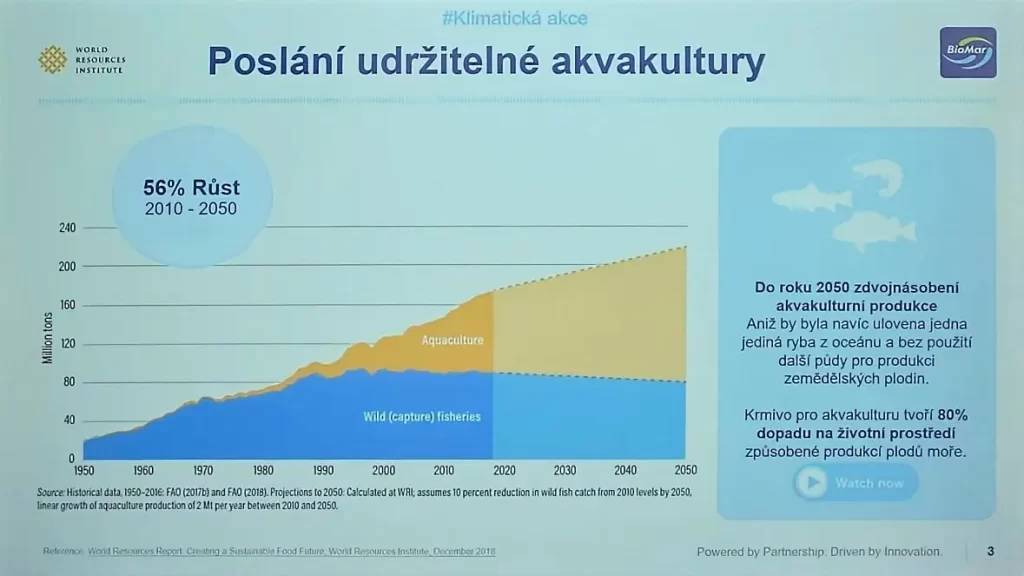
Raising African catfish in RAS systems represents a modern and sustainable approach to aquaculture that allows the production of high quality fish with minimal environmental impact.
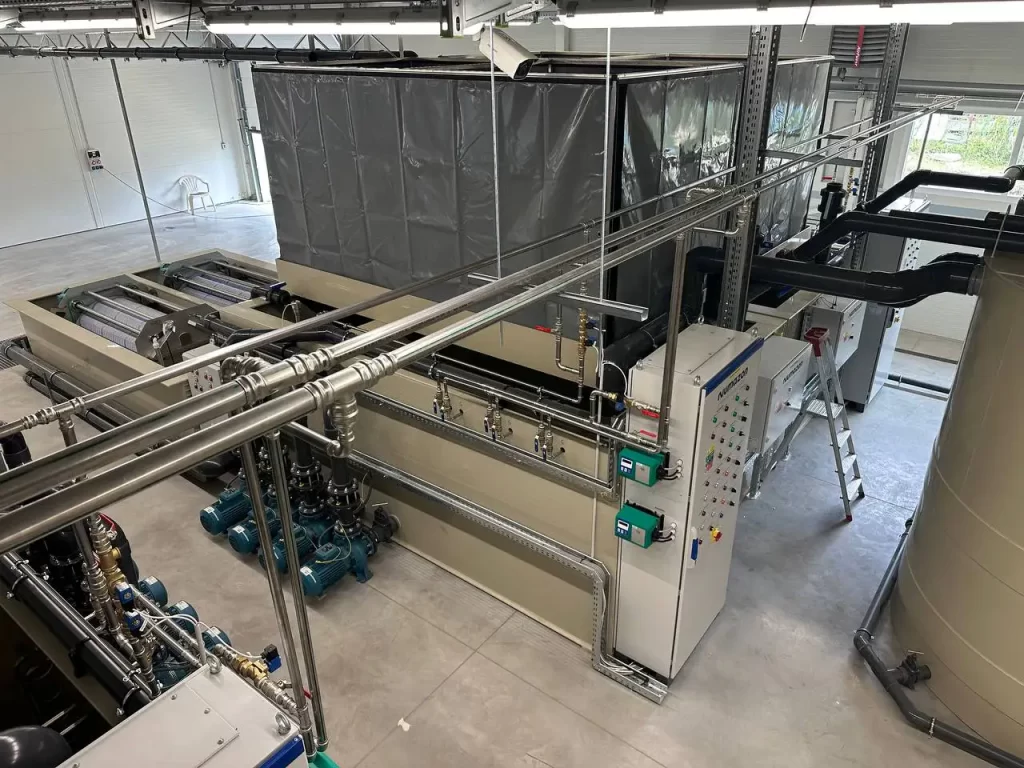
Farm breeding and filtration system